
Mental Health Awareness Month: Why Getting Support Matters
- lashell273
- 4 days ago
- 5 min read
What Is Mental Health Awareness Month and Why It Matters
Each May, we recognize Mental Health Awareness Month. This is a nationwide effort to reduce stigma, increase understanding, and remind each of us that caring for our emotional well-being is equally as important as caring for our physical health. At Rise and Shine Counseling, we believe awareness is the first step towards healing. When people understand how common mental health challenges are, they feel less alone and more empowered to reach out for support.
To help our community feel even less alone and more supported, we are excited to share that starting in June 2026, Rise and Shine Counseling will begin offering DBT skills groups for adult women and social skills groups for children. These groups are designed to build connection, strengthen emotional and interpersonal skills, and create a safe space where healing can happen alongside others who truly understand your experience.
This month, we invite you to learn, reflect, and take compassionate steps towards better mental wellness for yourself and the people you care about.

Mental Health Statistics You Should Know in 2026
Mental health challenges in the United States are far more common than most people realize.
1 in 5 adults live with a mental illness
(National Institute of Mental Health, n.d.)
1 in 6 children aged 3–17 have a diagnosable mental, behavioral, or developmental disorder
(Agency for Healthcare Research and Quality, 2022)
1 in 3 adults experience an anxiety disorder at some point in their life.
(National Institute of Mental Health, n.d.)
1 in 12 adults in 2021 experienced at least one major depressive episode.
(National Institute of Mental Health, n.d.)
Approximately only 1 in 2 people with mental illnesses receive treatment. This is likely due to stigma or lack of access to care.
(National Institute of Mental Health, 2025)
If you or someone you love has struggled emotionally, you are not alone. These numbers tell us that mental health concerns are part of the human experience, not a personal failure.

The Impact of Untreated Mental Health Issues
Without support, emotional pain often grows quietly. Untreated mental health challenges can affect nearly every area of life:
Sleep and appetite changes
Difficulty concentrating or making decisions
Strain on relationships
Irritability or emotional overwhelm
Fatigue or burnout
Increased school or work difficulties
Awareness helps us see these changes for what they are: signals and signs that support is needed, not something to hide or push through alone.
Why Mental Health Awareness Month Is Important for Families
For many families, talking about mental health feels uncomfortable. But silence can create misunderstanding, shame, and fear. These are all barriers that keep people from getting the care they need and deserve. Mental Health Awareness Month encourages families to:
Normalize conversations about emotions
Recognize early signs of stress or struggle
Understand that children and teens also experience mental health symptoms
Know where to turn for professional support
Create a home environment where feelings are welcomed, not judged
The more we talk openly about mental health, the more resilient our communities can become.

The Benefits of Therapy for Children, Teens, and Adults
What Therapy Can Help With
Therapy provides a safe, nonjudgmental space to understand your experiences and learn practical skills for navigating them with less distress. At Rise and Shine Counseling, therapy can support you or your child with:
Anxiety, worry, or overthinking
Sadness, depression, or emotional numbness
Stress, burnout, and life transitions
Family conflict or relationship struggles
Self-esteem concerns
Trauma, grief, or change
Emotional regulation and coping skills
Thoughts of suicide or self-harming behavior
Psychosis
Therapy isn’t just for crises. Therapy is here for growth, prevention, and empowerment.

Common Myths About Therapy And the Truth
Many people delay reaching out because of misconceptions such as:
“Therapy means something is wrong with me.” Therapy is a sign of strength and self-awareness, not weakness.
“Kids don’t need mental health support.” Children are deeply affected by stress, change, and relationships. Support helps them build lifelong tools.
“Talking about it won’t help.” Evidence-based therapies provide strategies that genuinely improve daily life.
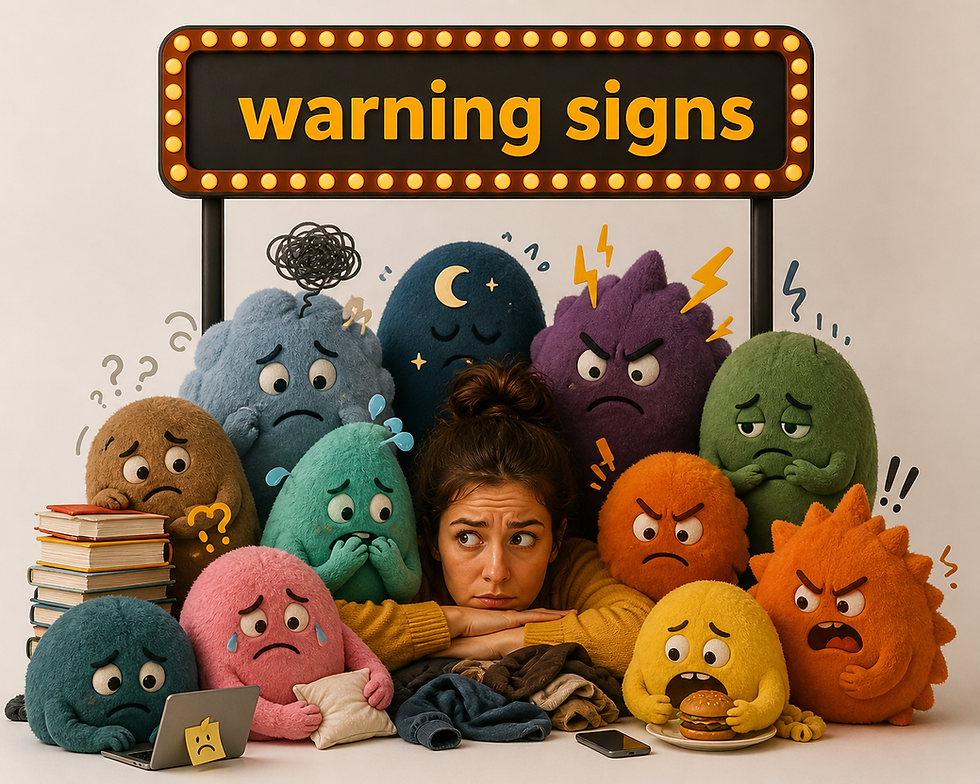
Signs You or Your Child May Benefit From Therapy
It may be time to seek support if you notice:
Feeling overwhelmed, sad, anxious, or “not yourself”
Difficulty concentrating or sleeping
Withdrawing from friends or activities
Irritability or emotional outbursts
Struggles at school or work
Changes in appetite, motivation, or behavior
Feeling disconnected from your emotions or identity
If any of these feel familiar, therapy can offer clarity, relief, and direction to help you shine to your full potential.
How Rise and Shine Counseling Supports Mental Wellness
Our Trauma-Informed and Family-Centered Approach
We provide compassionate, culturally responsive care designed to help clients feel safe, supported, and understood. Our therapists meet you exactly where you are and tailor treatment to your unique needs, history, and goals.
Services That Promote Healing and Growth
At Rise and Shine Counseling, we offer:
Individual therapy for all ages
Family therapy to strengthen communication and relationships
DBT skills groups for adolescents
NEW in June 2026: DBT skills groups for women
NEW in June 2026: Social skills groups for children 5-10 years old
Trauma-informed approaches to promote healing
Supportive, collaborative treatment that encourages growth at every age
EMDR Therapy
Play therapy
Whether you’re navigating life changes, emotional challenges, or simply wanting to strengthen your well-being, our team is here to walk with you as you become the best version of yourself.
How to Advocate for Mental Health Awareness This Month
You can make a meaningful impact by:
Sharing mental health resources with friends and family
Checking in on loved ones who may be struggling
Starting honest conversations about emotions
Normalizing therapy and self-care
Practicing your own mental wellness routines
Following and sharing Rise and Shine Counseling’s educational content
It is important to remember, small actions create big change, especially when done consistently.

Conclusion: Your Mental Health Matters—Take the First Step Today
Healing doesn’t happen in isolation. Support, connection, and compassionate guidance can make all the difference. Whether you’re seeking help for yourself, your family, your marriage, or your child, therapy offers a path toward clarity, balance, and hope.
You deserve support. You deserve healing. And you don’t have to navigate it alone.
If you’re ready to take the first step, or simply want to learn more, Rise and Shine Counseling is here to help. Reach out today to schedule an appointment or consultation. If you or someone you know is struggling with suicidal thoughts, please contact 988, The Suicide and Crisis Lifeline. You matter.
References
Agency for Healthcare Research and Quality. (2022). 2022 National healthcare quality and disparities report. U.S. Department of Health and Human Services. https://www.ncbi.nlm.nih.gov/books/NBK587174/
National Institute of Mental Health. (n.d.). Any anxiety disorder. U.S. Department of Health and Human Services. https://www.nimh.nih.gov/health/statistics/any-anxiety-disorder
National Institute of Mental Health. (n.d.). Major depression. U.S. Department of Health and Human Services. https://www.nimh.nih.gov/health/statistics/major-depression
National Institute of Mental Health. (n.d.). Mental illness. U.S. Department of Health and Human Services. https://www.nimh.nih.gov/health/statistics/mental-illness
National Institute of Mental Health. (2025, January 21). Statistics. U.S. Department of Health and Human Services. https://www.nimh.nih.gov/health/statistics


Comments